Types of Metal Used in Modern Metal Roof Installation
People seeking modern metal roof installation are often exploring the types of metal used, and local contractors can help choose and install the best options for their needs.
Understanding the different types of metal used in modern metal roof installation is essential for property owners considering this durable and stylish roofing option. With a variety of metals available, each offering unique benefits in terms of longevity, appearance, and performance, it’s natural to want to explore which materials best suit specific needs and preferences. Property owners in the area might find this knowledge particularly helpful when planning a roof upgrade or replacement, ensuring they choose a metal that aligns with their goals for durability and aesthetics. Local contractors specializing in modern metal roof installation can provide valuable insights and guidance, helping to navigate the options and select the ideal metal for each project.
As you continue exploring the types of metal used in modern metal roof installation, it’s important to recognize how different metals contribute to the overall quality and lifespan of a roof. Whether prioritizing resistance to corrosion, ease of maintenance, or visual appeal, understanding these distinctions can inform smarter decisions. Local service providers experienced in metal roofing can assist property owners in making informed choices, matching the right metal with the specific demands of the property and its environment. Keep reading to learn more about the common metals used today and how they can enhance the durability and style of a modern roof.
- Aluminum roofing - ideal for properties in coastal areas where exposure to saltwater requires corrosion-resistant metal, with local contractors specializing in seamless aluminum installation.
- Steel roofing - suitable for commercial or residential buildings needing durable, long-lasting metal options, with local service providers focusing on proper panel fastening and weatherproofing.
- Copper roofing - often chosen for architectural appeal and longevity, with local pros experienced in handling the unique installation requirements of copper panels.
- Galvanized steel roofing - a practical choice for high-wind zones or industrial settings, where local contractors emphasize secure fastening and rust resistance.
- Standing seam metal roofing - preferred for modern aesthetics and weather-tightness, with local service providers skilled in precise panel alignment and secure seam sealing.
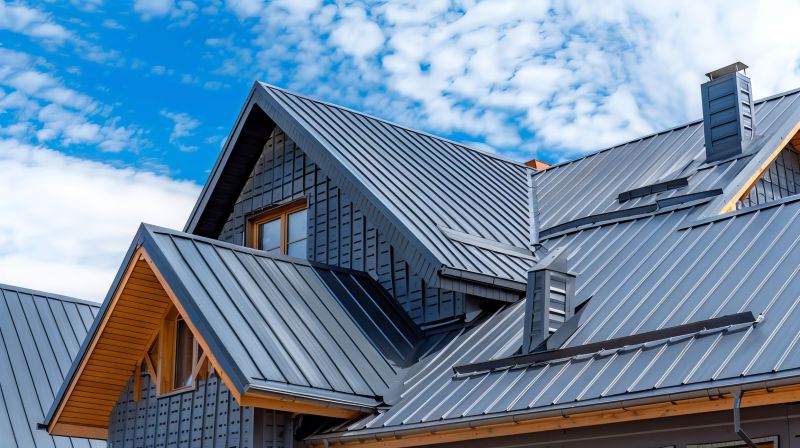
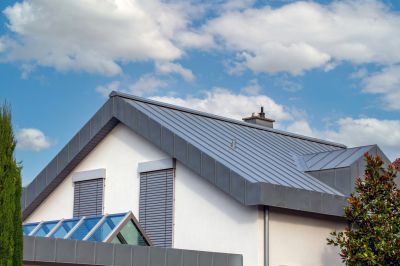
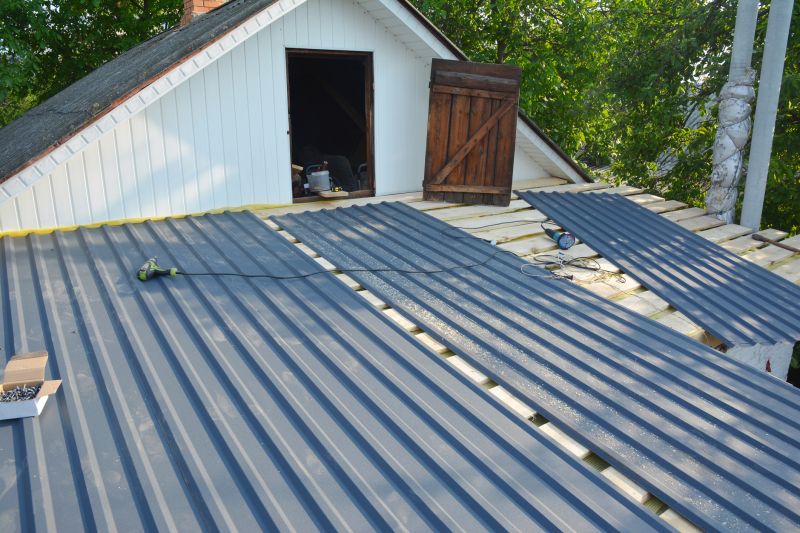
When homeowners explore options for a modern metal roof, one of the key considerations is the types of metal used in the installation. This search often stems from a desire to understand the durability, appearance, and maintenance needs of different metals, as well as how they perform in various weather conditions. Property owners planning a roof replacement or new installation typically want to ensure the material selected will withstand the local climate and complement the property's aesthetic. Local contractors who specialize in modern metal roofing can provide guidance on the most suitable metal types for specific environments, helping homeowners make informed decisions that align with their property’s needs and their long-term plans.
The types of metal used in modern metal roof installation are closely linked to common problems and project goals faced by homeowners. For example, those seeking a low-maintenance, long-lasting roof may lean toward metals known for their corrosion resistance and strength. Others might prioritize a lightweight material that reduces structural stress or a metal with a distinctive look that enhances curb appeal. These considerations often relate to properties in areas prone to heavy rain, snow, or high winds, where durability and resilience are critical. Local service providers can assess these factors and recommend metal options that address specific challenges, ensuring the roof performs well over time and minimizes future repair needs.
Typical properties that come up in discussions about metal types include residential homes, commercial buildings, and even some multi-family complexes. Residential properties often favor metals that offer a balance of aesthetic appeal and durability, such as aluminum or steel, which can be finished in various colors and styles. Commercial properties may require metals with higher strength and fire resistance, like standing seam steel, to meet safety standards and withstand harsher conditions. Multi-family buildings might look for metals that combine longevity with ease of installation across multiple units. Local contractors experienced in modern metal roofing understand these property types and can recommend the best metal materials to fit the specific demands of each project.
Understanding the different types of metal used in modern metal roof installation helps homeowners connect their property needs with the expertise of local service providers. Whether the goal is to enhance curb appeal, improve energy efficiency, or increase the lifespan of the roof, selecting the right metal is a crucial step. Local pros can evaluate the property’s environment, structural considerations, and aesthetic preferences to suggest suitable metal options. They can also handle the installation process, ensuring the chosen material is properly integrated into the building. This collaboration helps property owners achieve a durable, attractive, and functional roof that meets their specific plans and withstands the local conditions over time.
Metal roofing repair projects often require similar skills and tools as installing different types of metal used in modern metal roof installation, making local contractors well-suited for both jobs.
Custom metal siding installations involve planning and precision work comparable to selecting and working with various metals used in roofing systems.
Roof insulation upgrades can share planning and material handling techniques with installing different types of metal in roof assemblies, requiring similar expertise from local service providers.
Gutter and drainage system projects often involve metal components that require similar tools and planning as those used for modern metal roof installation.
Skylight and roof window installations demand precise measurements and metal framing skills akin to working with different metals in roofing materials.
Metal decorative accents and trim work share the same materials and fabrication methods as modern metal roofing, making local pros experienced in both areas.
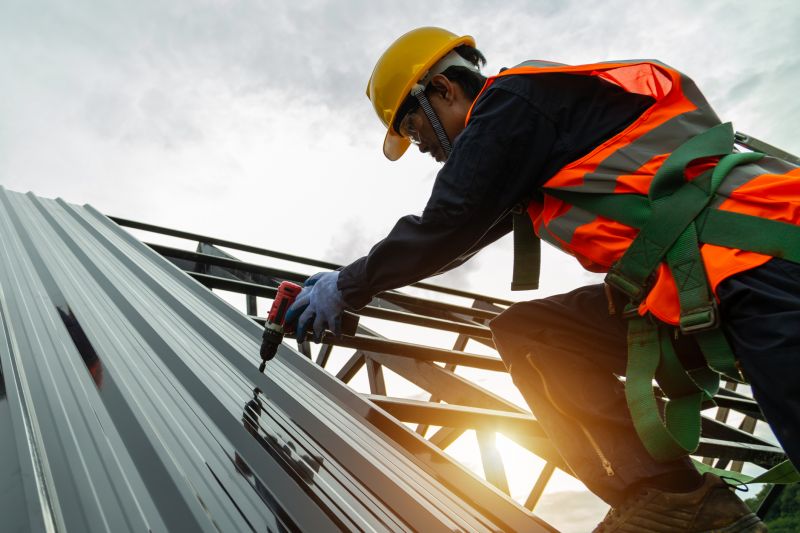
When evaluating local contractors for a modern metal roof installation, it’s important to consider their experience with similar projects. Homeowners should inquire about the types of metal used in previous installations to ensure the service provider has practical knowledge of different materials, such as aluminum, steel, or copper. A contractor’s familiarity with these options can influence the quality and durability of the finished roof. Additionally, seeking reputable references or examples of completed work can provide insight into their expertise and the consistency of their craftsmanship, helping homeowners feel more confident in their choice.
Clear, written expectations are essential when comparing service providers for metal roof installation. Homeowners should request detailed descriptions of the types of metal available and how each option might suit their specific needs. Good communication from local contractors includes explaining the advantages and limitations of different metals, as well as outlining the installation process and what homeowners can expect throughout. This transparency helps establish a mutual understanding and ensures that both parties are aligned on project scope and materials used.
Reputable local contractors tend to have established relationships with suppliers and a track record of quality work, which can be verified through references or reviews. Homeowners should prioritize service providers who are transparent about their experience with various types of metal used in modern metal roof installation. Good communication is also key; contractors who openly discuss options, answer questions thoroughly, and keep homeowners informed throughout the process can contribute to a smoother project experience. Comparing these aspects can help ensure that the chosen service provider is well-equipped to handle the specific requirements of a metal roof installation with the right materials.
Property owners often search for types of metal used in modern metal roof installation when they are planning practical projects around their homes and businesses. Local pros provide Modern Metal Roof Installation services for everyday jobs and straightforward project options.
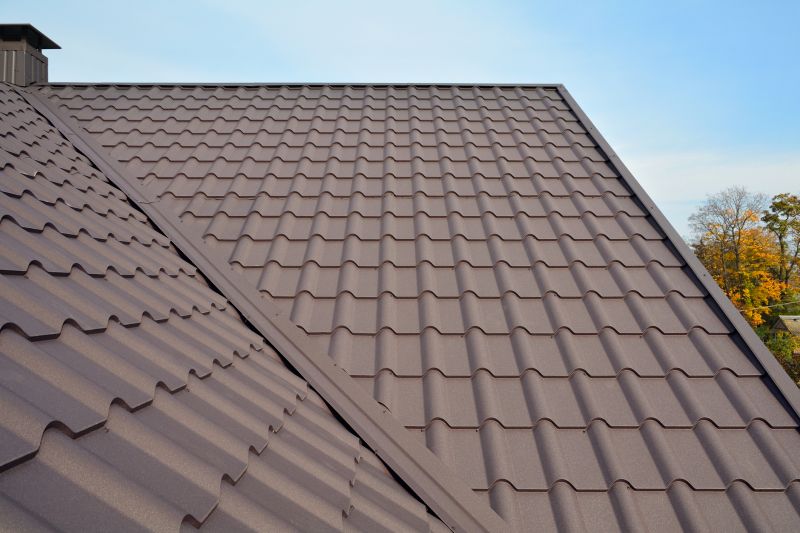
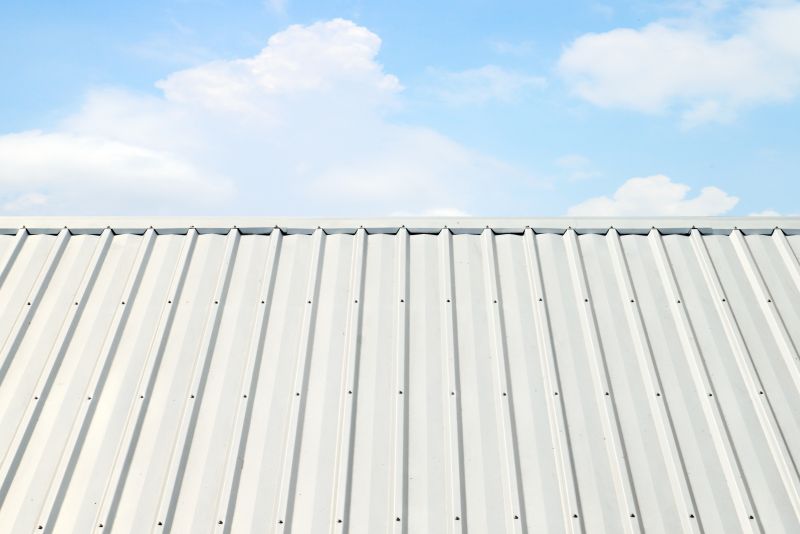
Understanding the different types of metal used in modern metal roof installation can help property owners make informed decisions when upgrading or installing a new roof. Common materials such as steel, aluminum, copper, and zinc each bring unique qualities to a roof, including durability, weight, and resistance to corrosion. Homeowners in the area often look into these options to ensure their investment withstands the local climate and enhances the overall look of their property. Local contractors experienced in metal roofing can provide guidance on which metal type best suits specific needs, helping property owners choose a solution that balances longevity and style.
Many property owners turn to local service providers to explore the advantages of various metals used in modern metal roof installation. For example, steel is known for strength and affordability, while aluminum offers lightweight benefits and resistance to rust. Copper and zinc are often selected for their aesthetic appeal and long-lasting qualities. Consulting with local contractors familiar with these materials can help property owners understand how each metal performs in the local environment, ensuring the roof is built to last and meets the desired visual goals. These professionals can assist in selecting the right metal type to match the property's specific requirements and preferences.
What are common types of metal used in modern metal roof installation? Common types include steel, aluminum, copper, and zinc, each offering different durability and aesthetic options that local contractors can help install.
Why do some homeowners choose steel for their metal roofs? Steel is popular for its strength, affordability, and resistance to impact, making it a practical choice that local service providers frequently work with.
What are the benefits of using aluminum in metal roof installation? Aluminum is lightweight, corrosion-resistant, and suitable for areas with high moisture, with local contractors able to recommend and install it effectively.
Is copper a common material for modern metal roofs? Yes, copper is valued for its distinctive appearance and longevity, and local pros can handle its installation and maintenance requirements.
How does zinc compare to other metals used in roof installation? Zinc offers excellent corrosion resistance and self-healing properties, with local service providers capable of installing and advising on its use in modern metal roofing.
Steel roofing options - homeowners can explore steel as a durable and long-lasting choice for modern metal roof installation with the help of local contractors.
Aluminum metal roofs - aluminum is lightweight and resistant to corrosion, making it suitable for coastal or humid environments in residential projects.
Copper roofing benefits - copper offers an aesthetic appeal and natural patina, ideal for adding a distinctive look to custom roof designs with local service providers.
Metal alloy considerations - different metal alloys can be selected to enhance specific properties like strength or flexibility, with local pros guiding material choices for practical installation.
If you are thinking about types of metal used in modern metal roof installation for a property, this guide is meant to help you understand this topic, the typical project types, and how different options might fit your plans.
When you are ready, you can use the quote form on this page to share a few details about your project. From there, local pros can review the basics and follow up with options that match what you have in mind.